



Do I really need rental car insurance?
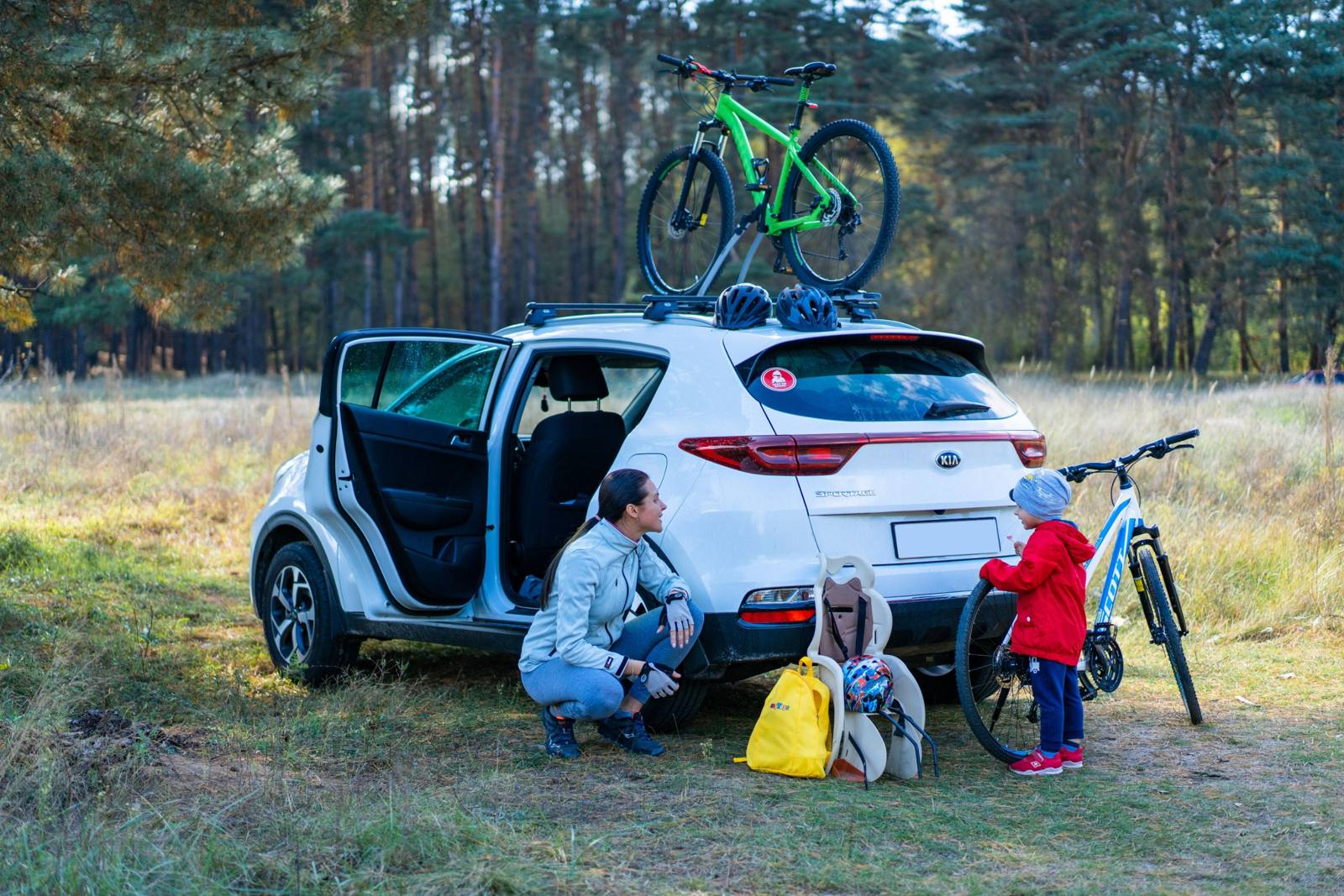
"Do I need to buy the rental car insurance, or can I use mine?" It's one of the questions we hear most before a trip. The short answer: inside the United States, your own car insurance usually goes with you to a rental car, but only the coverages you already have. If you only carry liability, the damage to the rental car itself is on you. And outside the U.S., buy the rental company's coverage.
Does my car insurance cover a rental car?
For a car you rent for personal travel, the coverages and deductibles on your own policy generally apply to the rental. What matters is which coverages you have:
- Liability pays for damage or injuries you cause to other people. It does not pay to fix the rental car.
- Collision and comprehensive (what most people call "full coverage") are what pay for damage to the car you're driving, including a rental, minus your deductible.
The most common mistake we see is assuming that "I have insurance" means "I'm covered." People with liability only, and even some with full coverage, walk up to the counter thinking their policy takes care of everything. It may not. Rules also vary by state and by policy, and renting for business can change the answer, so the only safe move is to ask your agent before you rent.
What we check before you travel
When clients call us before a trip, they ask two things: "Can I use my insurance for this car?" and "If I have an accident, will it be covered?" To answer, the first thing Mel Barrientos, the owner of L&L, looks for on the policy is whether it has comprehensive and collision. From there we look at:
- Your deductible, because that's what you'd pay out of pocket on the rental.
- Your liability limits, since rental companies only have to carry the state minimum, which often isn't enough.
- Where you're going and why (vacation or work).
What does the rental counter's coverage actually do?
The coverage they offer at the counter is usually called a collision or loss damage waiver (CDW/LDW). Technically it isn't insurance: it's the rental company agreeing not to hold you responsible if the car is damaged or stolen. It can also cover charges your own policy may not, like the rental company's "loss of use" fee while the car is being repaired, towing, and administrative fees. It can be voided if the accident involved speeding, driving on unpaved roads or driving while impaired.
If you already have comprehensive and collision, part of the waiver may overlap with what you pay for. The gaps are your deductible and those extra rental-company fees.
When is it worth buying at the counter?
- Outside the United States: buy it. Most U.S. policies don't follow you to other countries. If something happens, you want the rental company's coverage in place.
- Mexico: the U.S. Embassy is clear: your U.S. insurance is not enough, and you must have a separate Mexican policy. Driving to Mexico or Canada? Call us before you leave and we can set up coverage for the trip.
- Further south, like Central America: you'll need a local policy where you rent or cross the border, and if you rent, take the counter coverage.
- You only carry liability on your own car, or your deductible is higher than you could pay tomorrow.
Does my credit card cover rental cars?
A lot of people believe their credit card covers the rental. In our experience, most of the time it doesn't cover what they think it does. Card benefits are usually secondary: they pay only after your own insurance, and some only cover your deductible. Benefits vary by card and card level, and the exclusions are in the fine print. If you plan to rely on your card, ask the card company for the coverage terms in writing before you travel.
Don't forget your own car: rental reimbursement
Here's a situation we've seen with a client: they had full coverage and were in an accident. Their insurance paid to fix the car, but it didn't give them a car to drive while theirs was in the shop, because they didn't have rental reimbursement on the policy.
Full coverage fixes the car; it doesn't automatically pay for a replacement. Rental reimbursement is an optional add-on that helps pay for a rental while your car is being repaired, and repairs can easily take a couple of weeks. Even when the other driver is at fault, you may have to wait for their insurance company to approve a rental. With your own rental coverage, you don't wait.
What happens if you skip all this?
If you damage a rental car and nothing covers it, you pay the full cost of the repair yourself, plus whatever the rental company charges while the car is out of service.
Quick answers
Is full coverage enough for a rental car?
In the U.S. it usually covers damage to the rental car, minus your deductible. Rental-company fees like loss of use may not be covered. Coverage depends on your policy.
Does liability-only insurance cover a rental car?
No. Liability covers damage you cause to others, not damage to the car you're driving.
Do I need rental car insurance in Mexico?
You need Mexican auto insurance. U.S. insurance is not enough there.
Does my credit card cover rental cars?
Sometimes, but usually as secondary coverage with limits. Get the terms in writing.
Before you rent, call us
It takes a couple of minutes. We'll look at your actual policy, tell you what's covered and what isn't, and if you're missing collision, comprehensive or rental reimbursement, we can quote it for you. Call 1-888-311-4660, message us on WhatsApp, chat with Lucy on this site, or request a quote.
This guide is general information, not legal advice, and every policy is different. A licensed agent can review your situation and your policy with you.